As autumn settles in and the weather cools, fall festivals start popping up with live music, local food and plenty of activity. These events are a favourite part of the season, but they also bring louder sound levels than many people expect.
Many people assume that being outside naturally reduces the impact of loud sound, but that isn’t always the case.

Strong speakers, energetic performances and sudden bursts of noise can still place stress on your ears throughout the day.

Getting a clearer sense of how festival settings affect your hearing helps you appreciate the season while staying aware of what your ears experience in these lively spaces.

How Does Our Auditory System Work?

Your auditory system works by turning sound waves in your environment into signals your brain can understand.

Sound enters through the outer ear and travels down the ear canal until it reaches the eardrum. The vibration of the eardrum then sets three tiny middle ear bones into motion, which helps carry sound into the inner ear with more strength and clarity.

Inside the inner ear is the cochlea, a small, fluid filled structure lined with thousands of hair cells. These hair cells respond to different sound frequencies and convert those vibrations into electrical signals. ‘

Every movement of the fluid creates a specific pattern of activation, which helps your brain tell the difference between low pitched and high pitched sound.

Once the cochlea has done its work, the signals move along the auditory nerve toward the brain. Your brain then processes the information and gives meaning to what you hear, like speech, music or environmental sounds.

This process happens almost instantly, which is why sound feels so immediate even though many steps are involved.

How Does Sound Damage Your Hearing?

Sound can damage your hearing when it is strong enough to overwhelm the tiny hair cells inside your inner ear. These hair cells are responsible for turning sound vibrations into signals your brain can understand, but they are delicate and cannot repair themselves once harmed.

When sound is too loud, it pushes these cells beyond what they can handle, which can lead to temporary or permanent changes in how you hear.

Loud noise also creates stress on the structures inside the cochlea, including the fluid and membranes that help carry sound. If this strain continues, the cells can bend or break, which affects how well you pick up certain pitches or follow speech.

Another way sound causes harm is through repeated exposure, even when the volume does not feel extreme in the moment.

Long periods around moderately loud noise can wear down your hearing in the same way a single, very loud event can. You might notice muffled sounds, ringing in your ears or difficulty following conversations, which are all signs your ears have been pushed too far.

Why Are Children and Older Adults More Susceptible to Loud Noise?

Children and older adults are often more sensitive to loud sounds at fall festivals. Young ears are still developing and can be affected by loud noises more quickly than adult ears.

Older adults may already have some hearing loss or changes in how their ears process sound, making them more likely to feel discomfort from high volumes. Using child-sized or specially designed ear protection can help lower the risk for these groups.

Standing farther from speakers and noisy rides, along with regular breaks in quieter areas, helps everyone enjoy the festival safely.

Hearing Risks Associated With Fall Festivals

Fall festivals bring excitement and energy, but the sounds around you can put your hearing at risk, even when you’re outdoors. From live music to carnival rides, the volume can reach levels that may cause damage before you even notice.

Many attractions at fall festivals can reach surprisingly high noise levels:

  • Live music stages: 90-110 decibels (dBs)
  • Carnival rides with engines or sirens: 85-100 dBs
  • Public address systems or announcements: 90-105 dBs
  • Food trucks with generators or blenders: 85-95 dBs
  • Crowded areas: 80-90 dBs

How Can You Tell if the Environment is Too Loud?

You don’t need a decibel meter to know when sounds around you are reaching risky levels. One of the simplest signs is needing to raise your voice or yell to be heard by someone nearby.

If conversation feels strained or you find yourself leaning in to understand others, the environment is likely louder than is safe for extended exposure.

Other signs include noticing that music or background noise drowns out normal conversation, or that certain sounds feel uncomfortably intense.

Even without physical discomfort, these cues indicate that your ears are being exposed to potentially harmful sound levels. Paying attention to these warning signs helps you make quick decisions to step back, move to a quieter area or use hearing protection.

Recognizing when noise is too loud is an important part of protecting your hearing during festivals, concerts or other crowded events.

Choosing the Right Spot for Your Hearing Health

Where you stand or sit at a fall festival can make a big difference for your hearing. Being too close to loud speakers, ride engines or crowded areas can expose your ears to harmful sound levels in a short time. Even if the music or noise feels manageable, prolonged exposure can still increase your risk of hearing damage.

Tips for picking a hearing-friendly spot:

  • Stay a few rows back from live music stages or speaker setups
  • Avoid standing directly near ride engines or sirens
  • Look for quieter areas between attractions to take breaks
  • Position yourself upwind of generators, food trucks or other equipment
  • Rotate spots throughout the day to limit continuous exposure

Taking Breaks to Protect Your Ears

It’s easy to get caught up in the excitement of a fall festival and forget how loud your surroundings can be.

Sounds above 85 decibels, which is roughly the volume of a busy street or food truck generator, can start to damage your hearing if you’re exposed for more than eight hours. Louder sounds, like live music stages or carnival rides reaching 100 decibels or more, can become harmful in just 15 minutes.

Planning regular breaks gives your ears a chance to recover and lowers your overall risk. Even a few minutes in a quieter area, away from speakers, engines or large crowds, can make a difference.

Setting reminders on your phone or coordinating short pauses with friends or family can help you enjoy the festival safely while keeping your hearing in check.

Understanding Your Hearing Protection Options

There are several ways to protect your hearing at fall festivals, each with its own benefits and considerations.

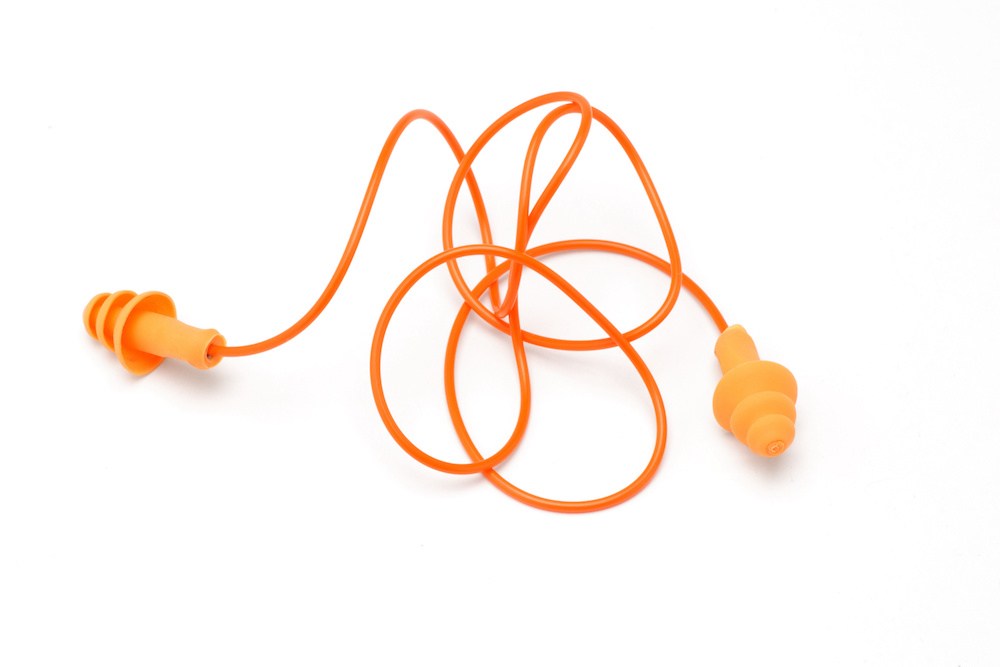
Earplugs are small, affordable and easy to carry. Foam earplugs reduce overall sound levels, while musician or high-fidelity earplugs lower volume without distorting music. The downside is that disposable foam plugs can be uncomfortable for long periods, and custom or higher-quality plugs are more expensive.

Earmuffs are another option, providing a barrier that covers the entire ear. They are effective at blocking louder noises but can feel bulky and may be inconvenient to wear while moving through crowds.

Some earmuffs are designed for music or events, reducing harmful noise while allowing conversation.

For fall festivals, the ideal protection balances comfort and effectiveness. High-fidelity earplugs are a popular choice because they reduce volume evenly, preserving the clarity of music and announcements while lowering risk.

Pairing earplugs with periodic breaks in quieter areas gives your ears the best protection throughout the day.

Checking Sound Levels With Smartphone Apps

Some music festivals have recorded sound levels as high as 110 dBs, which is well above the safe limit for your ears.

Many free smartphone apps can measure these sound levels in real time, giving you a quick way to check if the noise around you could be harmful.

Using a sound level app at a festival helps you make smart choices about when to use earplugs or take breaks. If the reading shows numbers over 85 dBs, your hearing could be at risk after just a short time.

Discussing Safe Listening Habits With Friends And Family Members

Talking about safe listening habits with friends and family helps everyone protect their hearing at loud events like fall festivals. Sharing tips and looking out for each other makes a difference.

Remind each other to bring earplugs or earmuffs, agree to take breaks from noisy areas together, use smartphone apps to check sound levels as a group, choose quieter spots for talking and relaxing, and watch for early signs of hearing changes after the event.

Making these conversations part of your plans keeps everyone aware of how loud sounds can affect hearing.

Noticing Early Signs of Hearing Loss After Attending a Festival

After a festival, you might notice changes in your hearing that were not present before. Common signs include trouble hearing people talk in places with background noise, ringing or buzzing in your ears, or a feeling that your ears are blocked or full.

These changes may be mild and go away after a few hours, but sometimes they last longer. Paying attention to these early signs is important because it helps you understand how loud events can affect your hearing.

If these changes do not improve after a day or two, your ears may have been affected by the noise at the festival.

What to Expect During a Hearing Appointment

When you notice ringing, muffled sounds or difficulty following conversations after a loud event, scheduling a hearing appointment is a proactive step.

The appointment usually starts with a conversation about your hearing experiences, lifestyle and any specific concerns. This helps the professional understand what situations may be affecting your hearing the most.

Next, you can expect a thorough evaluation of your hearing across different frequencies and environments.

The process is comfortable and tailored to your needs, so you’ll be guided through each step and have the chance to ask questions.

After the assessment, you will receive clear feedback about your results. The professional will explain what they mean and discuss options for protecting your hearing, addressing changes or improving sound clarity in daily life.

Finally, your appointment may include recommendations for follow-up or preventive strategies. This could involve tips for managing noise exposure, using hearing protection at events or monitoring changes over time.

Leaving with a clear plan helps you feel confident and informed about taking care of your hearing.

Enjoy Fall Festivals While Keeping Your Hearing Safe

Fall festivals are full of energy, music and excitement, but keeping an eye on your hearing can make the experience even more enjoyable.

Paying attention to where you stand, how long you spend near speakers or rides, and taking breaks in quieter areas gives your ears a chance to recover. Using simple hearing protection, like earplugs, helps you stay in the moment without compromising your hearing for the future.

If you notice changes in your hearing or want guidance on protecting your ears during busy events, reaching out to a professional can provide peace of mind. Alto Hearing in Saskatoon, SK is available to answer questions and provide support at (833) 456-7790.